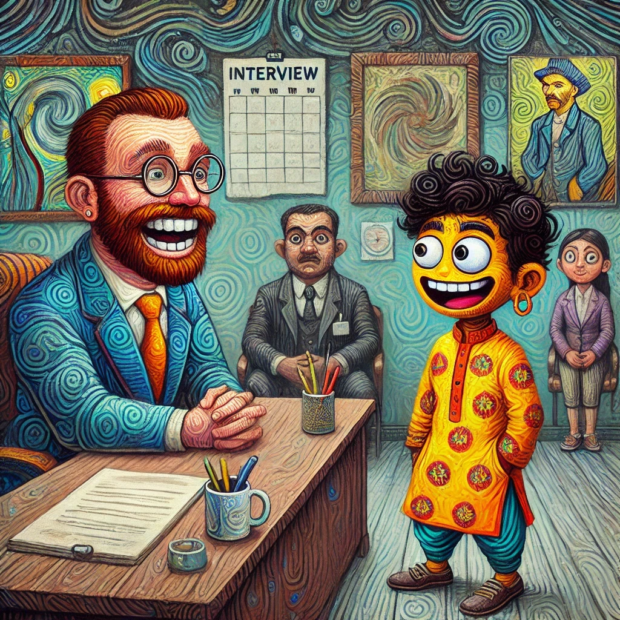
If you were lucky enough to visit the fairs and melas of India in the rural parts of India. Not the famous ones, but the rustic compulsory giant wheel, flea market set up organized by a village or several villages, one would come across many mystics and touts who will set up shop selling dreams and hope. A hope that a chavanprash will give them longer penises bigger than African males. A gemstone worn in a certain finger that would make them equal to the Ambanis. Another promising resolution of family land just by a parrot selecting a card.
These are common across the south and north of India. A boiling pot of false happiness and lies sold as hope. There is no truth to what they say, you say, there is no logical or scientific validity to these claims of hope. By looking at one’s hand or eating a certain miserably tasting root just to own a house. Though one cannot fully assume they wouldn’t get what they want. When they do become rich or own the house, it cannot be attributed to just them chewing a root.
Let’s look at a psychological hack – What if these dreams and hopes could be sold, even better with an element of despair? Let’s look at a few ideas as touts.
Imagine inventing a bicycle that the CEO openly advertises as something that will potentially topple the rider every single time, on the street or on a busy highway. It is random and it is designed that way to have a ninety percent fall rate. Oh! We drilled the Earth’s magma to get steel for the bicycle. People died mining it deep down those mining shafts. We will make people buy it and fall every day. We will sell the treatment and medicine for falling along with insurance.
In the second example, a towel company sells ayurvedic towels. You use the towel and you become fair immediately. Something like Fair and Lovely in towel form. If you use it, it will certainly burn your face and make you look like the ugliest creature in town. If you don’t the sun will make sure you don’t show your face outside. It is rumored, the sun works for the towel company. Nobody knows anything anymore. We formulated this from the rarest flower only found in a small region in Chad. We trenched and bulldozed through acres of forests to discover this. In the process we used the indigenous people as slaves saving the company millions. We have quietly sneaked our towels through government contracts and kickbacks to sports organizers.
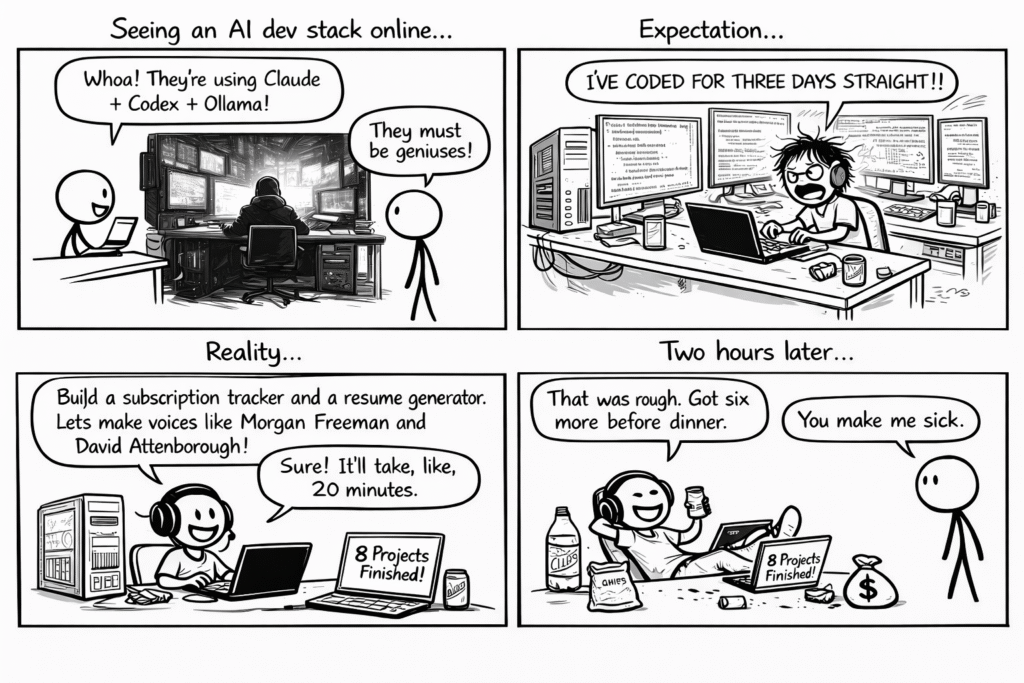
If you think, these examples are preposterous, think again. What is happening right now with LLMs and AI is exactly these examples. The major companies are trying to sell their products by saying it will replace the actual people that really matter in a company – devs, analysts, project leads and subject matter experts.Those who know the math and are in the field know that perhaps the current token generation algorithm has its limits that we have already reached. The current set of tools wont scale and become AGI. What is AGI? Everybody in tech has thought about it, we all have vague ideas. Who defines it? Nobody knows anymore.
Tomorrow we will change the meaning of AGI to suit this narrative and it wouldn’t be surprising. One is forced forced to pay $20 monthly in a tool out of fear that you might lose your job. A tool that is marketed to replace you in your current job. Absolutely psychological tech hack this!
Listen to original heads like Yann LeCun or Cory Doctorow. Yann is one of the three “Godfathers of AI” (the other 2 being – Geoffrey Hinton and Yoshua Bengio).
https://www.youtube.com/results?search_query=Yann+LeCun+agi
https://www.youtube.com/results?search_query=cory+doctorow+agi